10
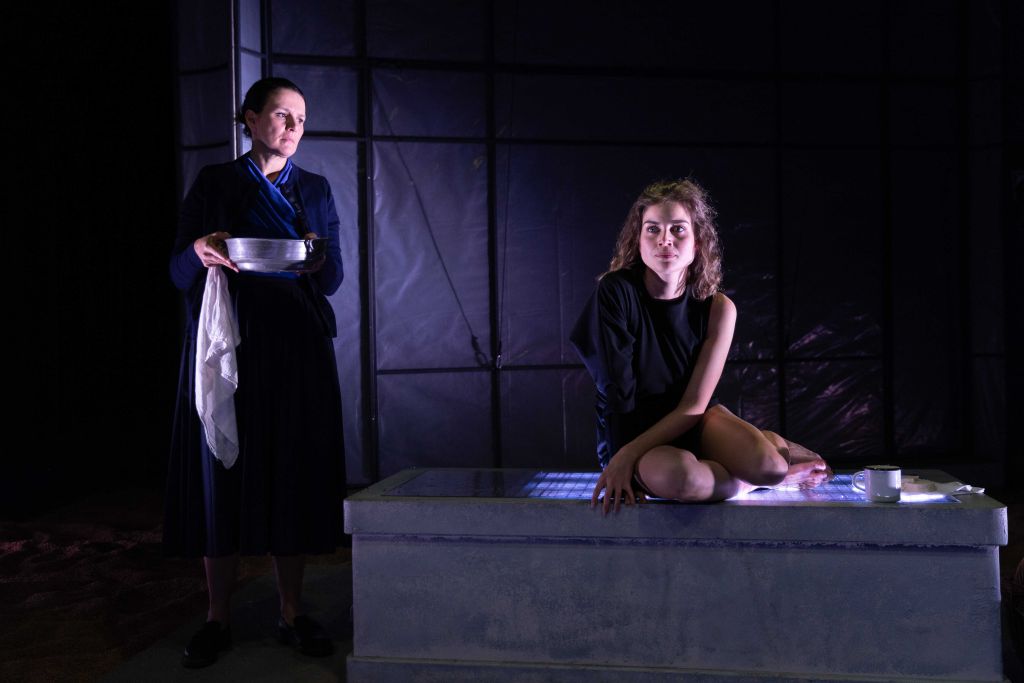
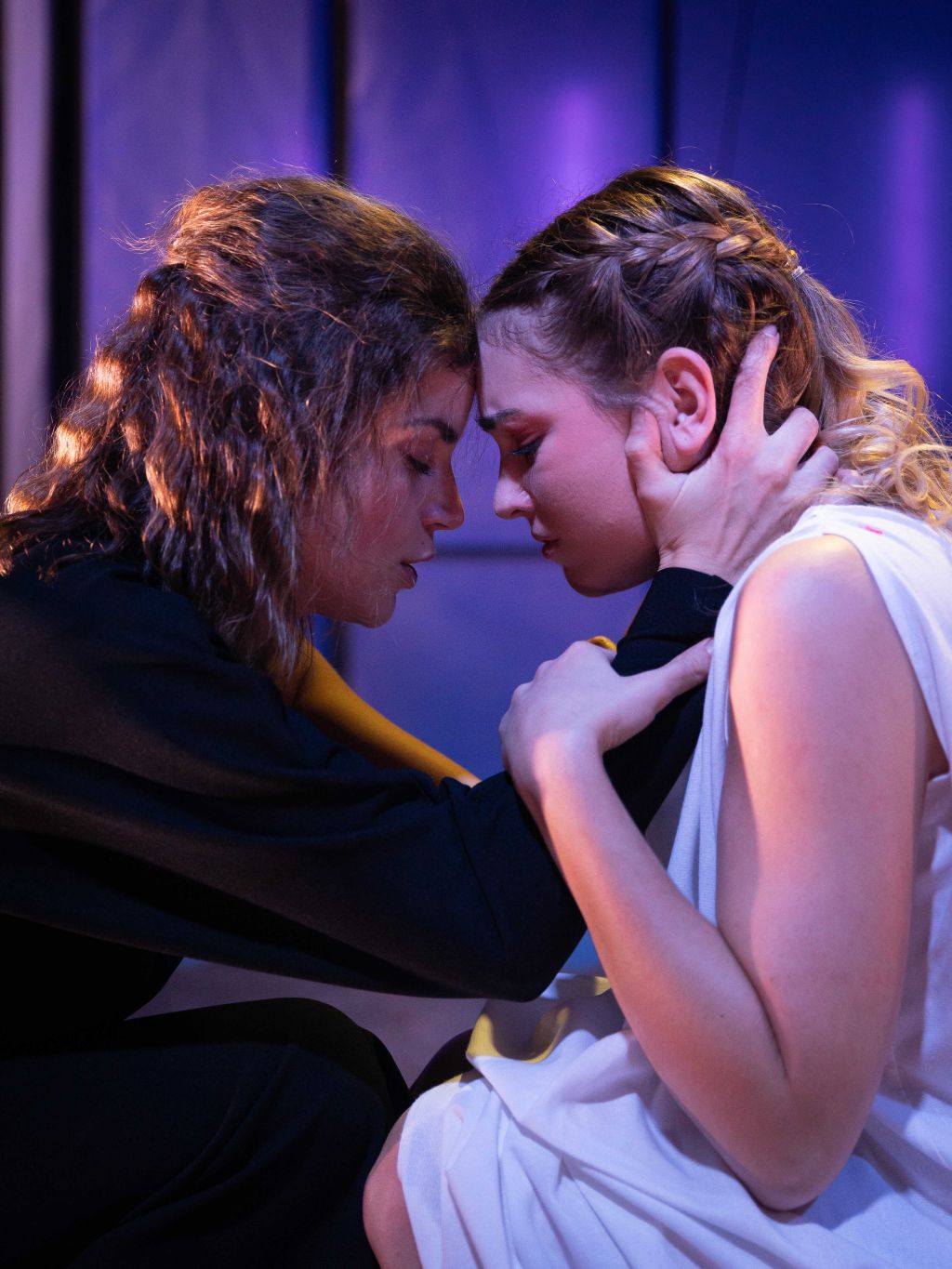
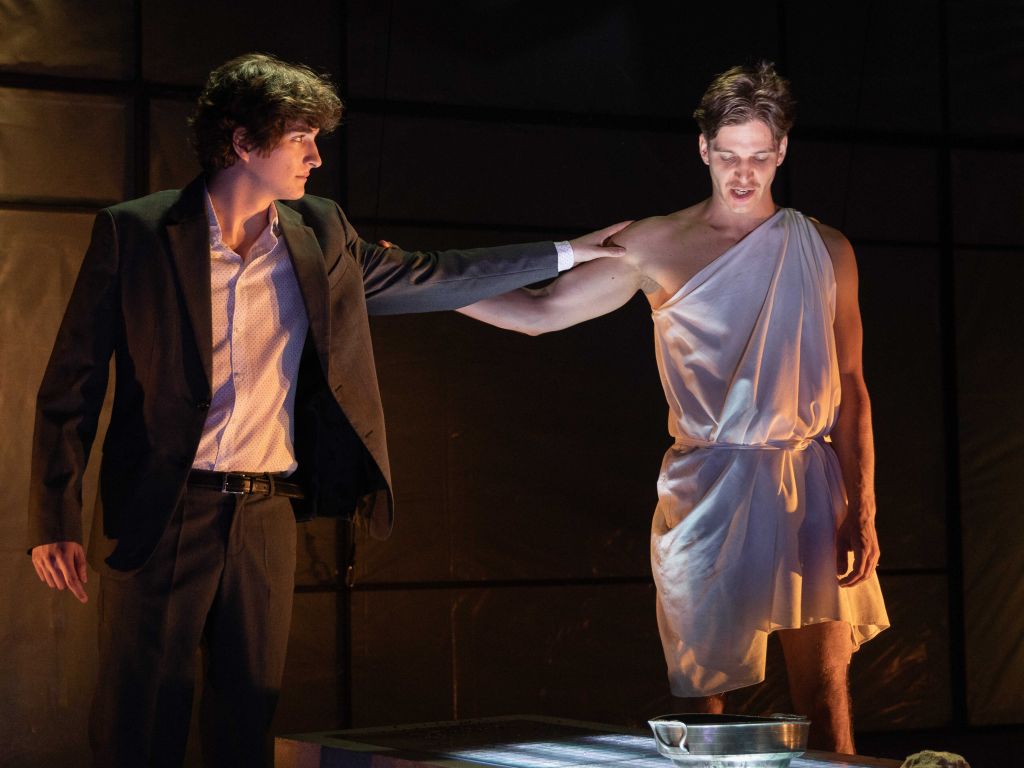
Hungarian Electra
tragedy in Hungarian from Sophocles' Electra
more
tragedy in Hungarian from Sophocles' Electra
more
Ön egy múltbeli eseményre keresett rá. Kérjük, válogasson aktuális kínálatunkból a Jegy.hu keresőjében!
Last event date: Friday, April 24 2026 7:30PM
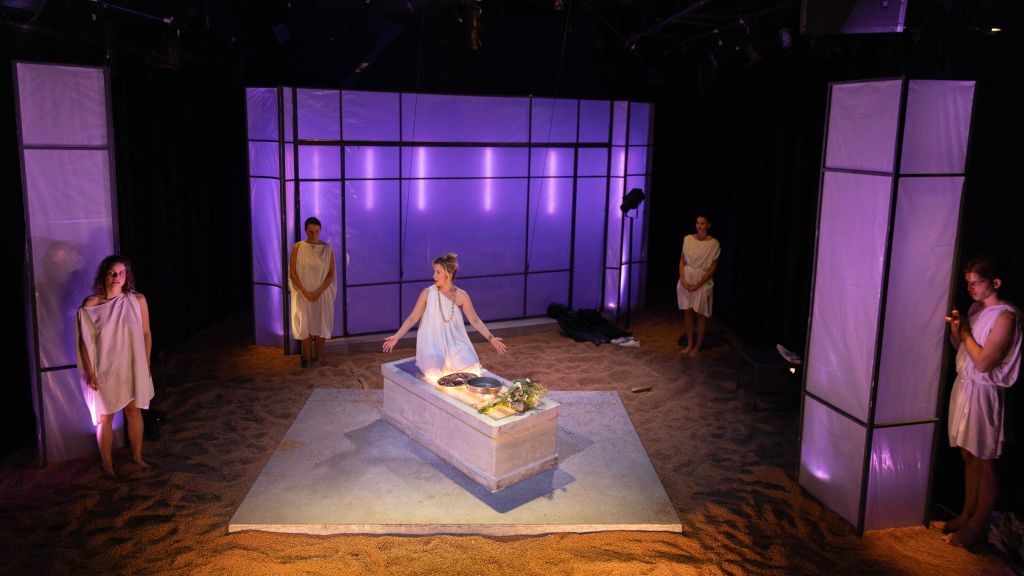
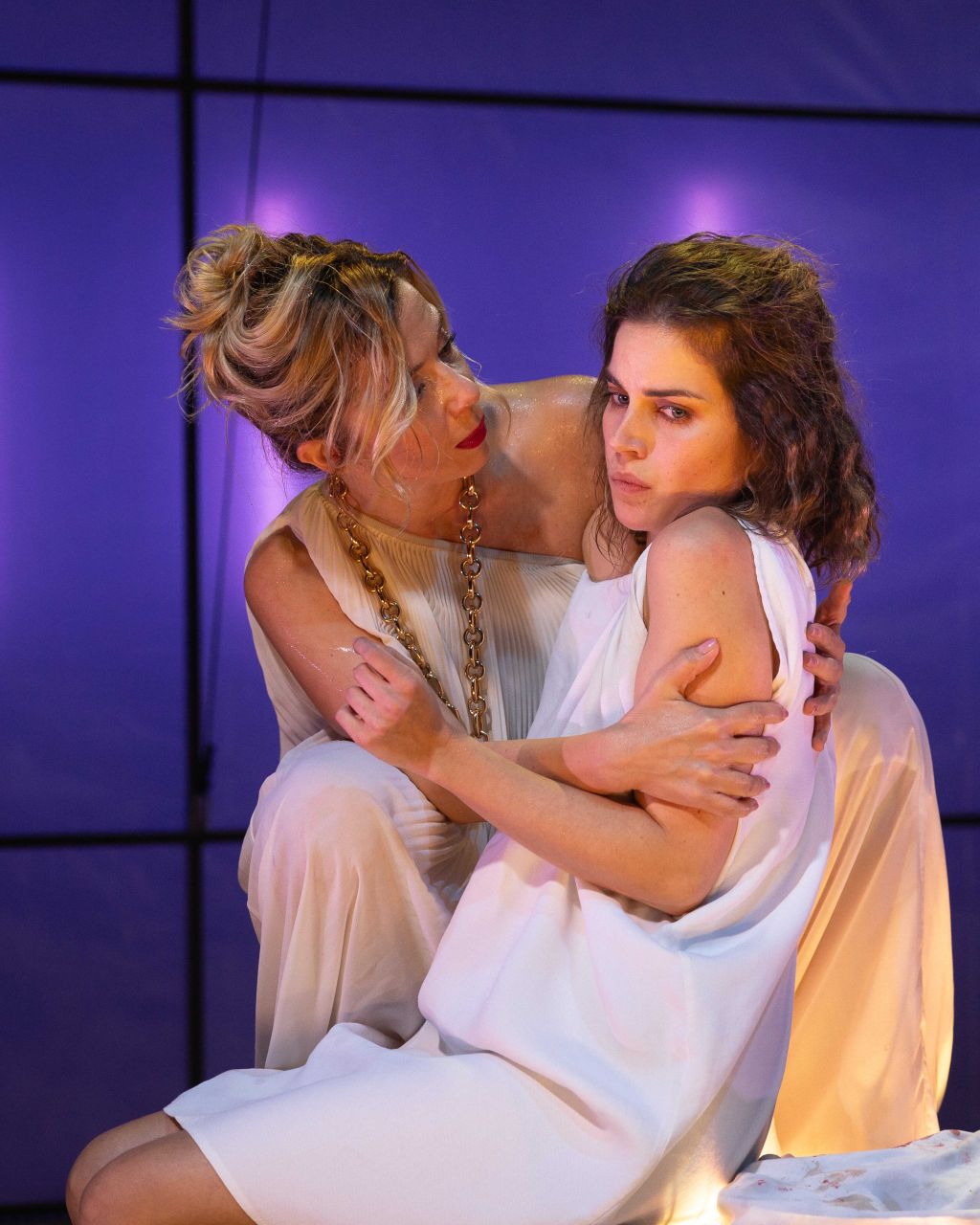
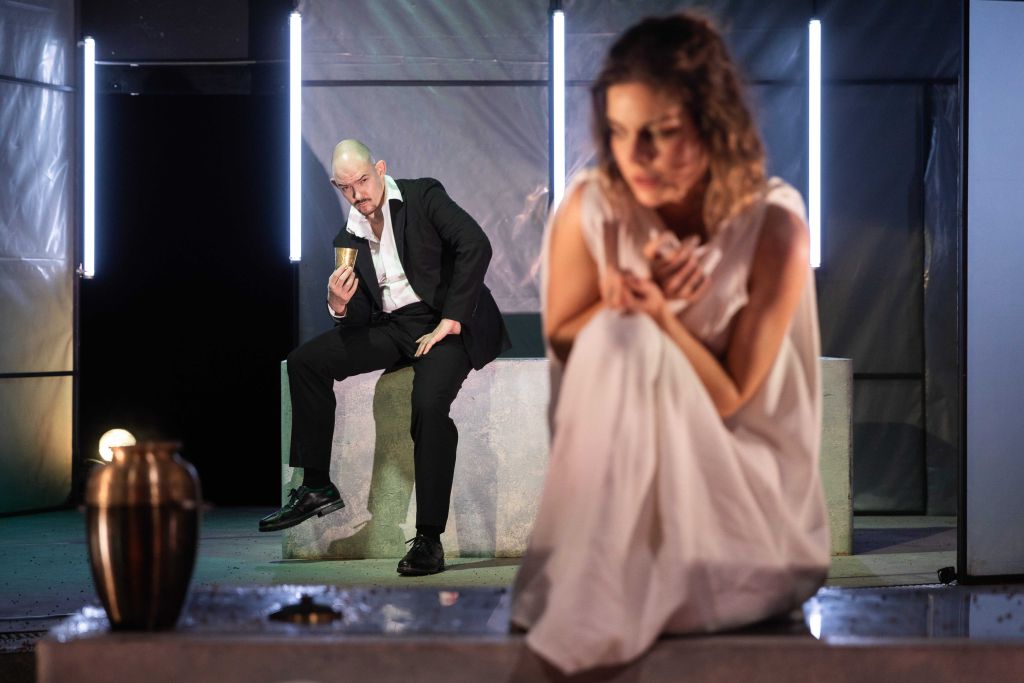
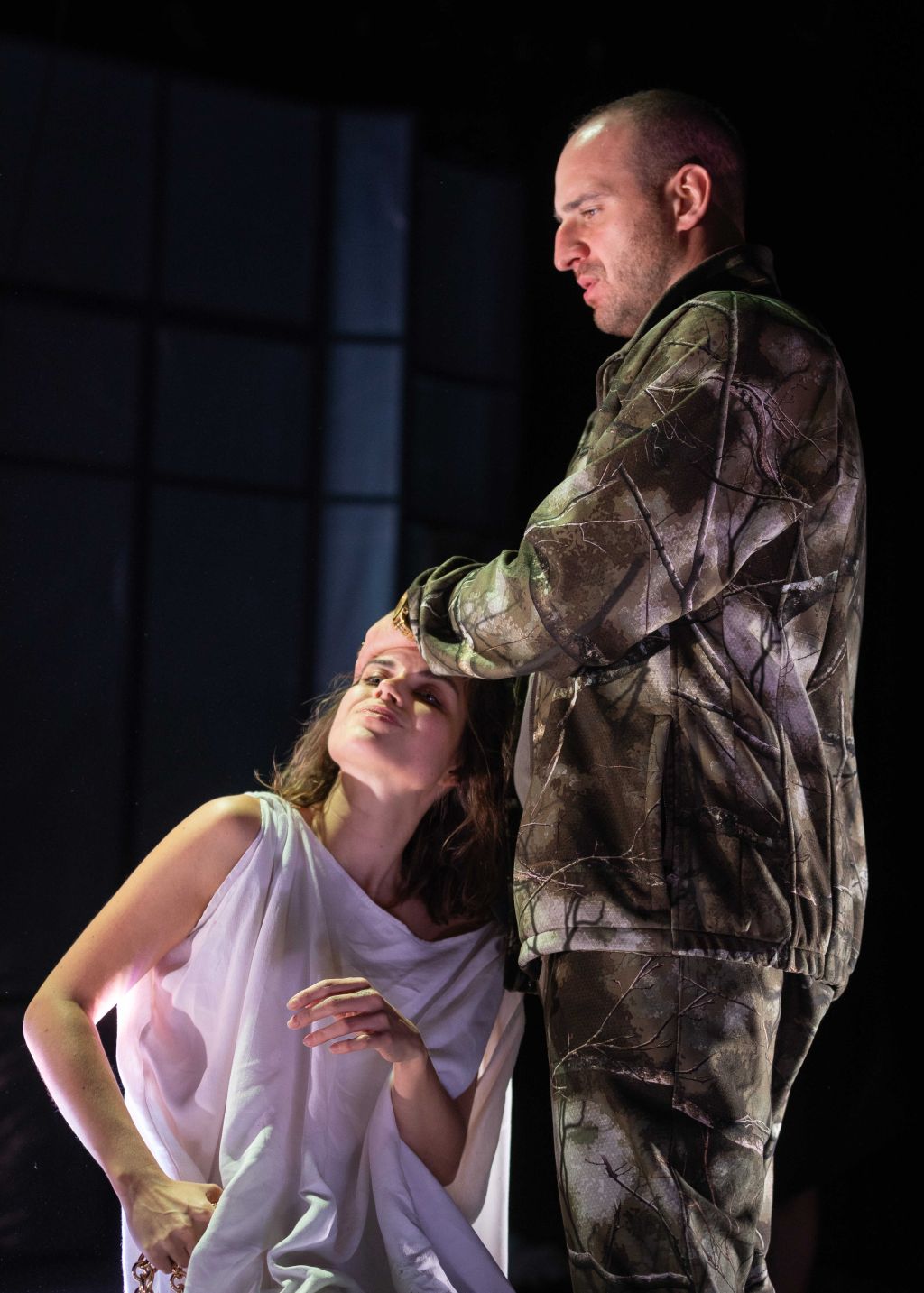
Almost 500 years ago, Péter Bornemisza translated and adapted one of the most famous and powerful Greek dramas of mankind, Sophocles' Electra. Bornemisza wrote a real Hungarian story, a contemporary drama from the ancient masterpiece, which has become so timeless that we can still recognize ourselves and our world in its characters. Hungarian Elektra is the work of a great playwright: it is linguistically mature and perfect, and it clearly shows the intellectual power and richness of thought of its author. And although the language seems difficult at first, if the English watch Shakespeare in the original, why can't we do this with an old Hungarian play?


Tilting at windmills; a tempestuous love story; a tasteful collage; virtuosic minimalism; an eccentric job search; emotional turmoil and a Venetian musketeer – all wrapped in Baroque music.
Camille Saint-Saëns: Cello Concerto No. 1 in A minor, Op. 33 Anton Bruckner: Symphony No. 7 in E major, WAB 107
For almost a quarter of a century, the Festival Orchestra’s program series for children has brought a high-quality classical musical experience to the youngest. The orchestra’s rehearsal room not only serves experimenting with the tiniest details of the symphonic pieces to be performed or playing chamber music, but also as the venue for educating the next generation of classical music lovers.
Ludwig van Beethoven: Symphony No. 9 in D minor, Op. 125
Robert Schumann 3. (Esz-dúr, „Rajnai”) szimfónia, Op. 97 Szünet Richard Wagner A walkür – 3. felvonás 3. kép A koncert…
In November, the concert hall of Müpa Budapest will be filled with spring birdsong.
item(s) in basket
total:
Time limit has expired. Please, put item(s) in to basket again.